Entrepreneurs who need predictable organic inbound traffic can't risk trial-and-error anymore. The stakes are already too high, and search engines have gotten way more sophisticated than they were less than three years ago. But the good news is: AI tools have in fact made it possible to optimize content for SEO with AI in a way that's both achievable and economically practical without requiring a full-time SEO specialist on staff.
This step-by-step primer will guide you through a straightforward, actionable process for leveraging AI to research smarter, write more effectively, and rank higher. Follow each step in order and you'll leave with a reliable, repeatable methodology to do just that.
How to Optimize Content for SEO with AI: Smart Keyword Strategy
Well before you ever begin composing a single paragraph of content, SEO optimization begins. Quickly analyze search intent, find related concepts, and pinpoint opportunities your competitors haven't considered with ease.
Identify High-Intent Keywords
Take your core niche to Semrush, Ahrefs, or Google's Search Generative Experience.
Prompt it to show you:
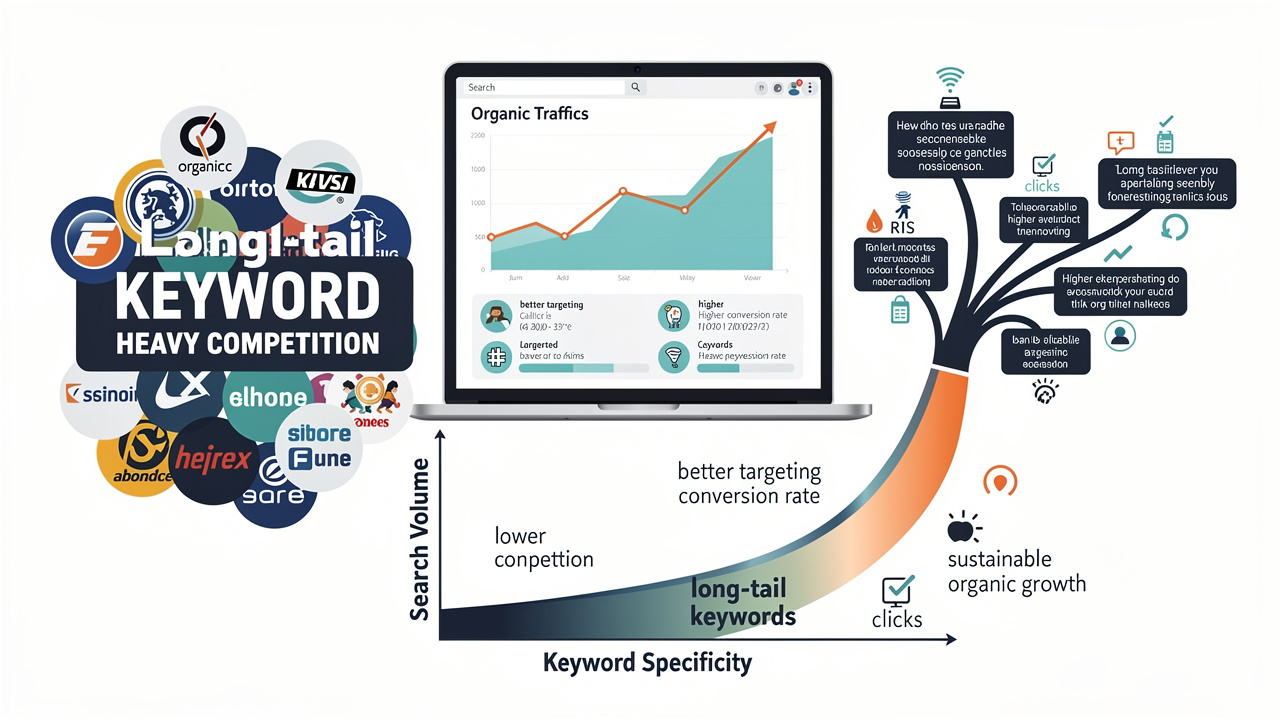
- Long-tail variants less competitive than your parent terms
- How-to questions real customers are researching
- Additional relevant subjects appearing in natural language searches
Your objective isn't just high search volume. While volume is valuable, the most valuable type of keyword represents a consumer's high-intent search (for a decision or action).
Assign Keywords to Content Objectives
Once your list is complete, categorize each keyword's potential role:
- Informational (blog posts, resource pages)
- Commercial (product or service pages)
- Brand-oriented (brand queries)
Use an AI cluster tool to group these resulting keywords into thematic series, enabling you to organize a future content calendar efficiently. A strategic keywords plan spares busy entrepreneurs from accidentally overlapping topics within the general niche.
Step 2: Optimize Content for SEO with AI Content Generation
Structuring tools for pre-writing your content model draft can save you hours of editing. You can generate a complete outline that you subsequently enrich and adapt.
Develop a Content Outline First
Start with your main topic keyword and 2-3 supplementary terms. Prepare your AI writing assistant with the following: a) Your primary keyword and two related queries b) A description of the target reader (entrepreneurs in this case) c) Description of the kind of content (such as how-to guide, comparison piece, etc.) d) Word count and tone
In many cases, a well-formed outline is enough to get the ball rolling with your content creation. Formerly-neglected blog entries can be transformed into comprehensive, well-structured posts.
Adapt and Enhance for Specificity and Insights
Use your AI content draft as a starting point, and then:
- Shorten lengthy blocks of text into numbered or bulleted lists
- Add relevant expert quotes, recent data or research statistics
- Optimize content with primary keywords in the title, in-article headlines, and meta description
- Remove anything too broad, redundant, or vague
If you want ready-to-publish work, generate content that maximizes exhaustive coverage and natural readability. Depth and clarity are highly valued by search engines.
Step 3: Audit and Optimize Your Published Content
The work itself hardly marks the end of content creation. An iterative process ensures continued refinements for high search engine standing. Publish and optimize your work with advanced AI audit tools.
Conduct On-Page SEO Technical and Content Audit
Based upon content rankings for given keywords, AI tools like SurferSEO or Clearscope identify:
- Missing semantically related terms
- Meta title tag and description issues
- Internal linking deficiencies
- Readability metrics relative to top competitors
Make adjustments accordingly. Simple updates like refreshing meta descriptions with relevant keywords alone can significantly help your content grow faster over time.
Monitor and Adapt
Schedule a regular review schedule using Google Search Console with your AI audit tool. Look for: a) Pages that are showing impressions but not clicks (possibly weak headline or meta description) b) Almost-ranked articles that could hit page one c) Secondary keywords accidentally found on your page that represent new optimization opportunities
The entrepreneurs engaged in constant SEO iteration are the ones who earn the benefits of organic growth without any shortcuts. AI simply expedites this natural optimization workflow.
The Lesson Entrepreneurs Should Take Away
None of this is difficult. You may not have an SEO specialist team on hand, but entrepreneurs who spend relatively little time working through each of these steps will establish an undeniably reliable way of ensuring a regularly-growing organic audience.
With a fully calibrated keyword plan, a well-crafted content brief, a sharp set of drafts, and ongoing performance evaluations, you create a sustainable content system that adapts and improves over time. The inevitable payoff ends up being rather simple: audience growth becomes some of the easiest, most cost-effective acquisition compared to other channels.
Just be consistent and disciplined about following this comprehensive methodology. You'll be surprised what kinds of organic traction your business can enjoy long-term.