Theft of Content occurs at any time. One million words is copying, paraphrasing, and putting up on the web without citation - and no one notices. This is why Copyleaks and some of the most advanced plagiarism detection services on the market exist to provide comprehensive content verification solutions.
How do you protect your intellectual property?
If you are an educator and want to maintain integrity, or if you are a business to defend yourself from intellectual property theft, understanding plagiarism detection tools is essential.
What Is Copyleaks Platform?
Copyleaks, a cloud-based platform that detects plagiarized and verified AI content, was launched in 2015. It compares the text submitted by users with the billion of internet content, so from websites and academic papers up to others submitted previously to the platform, to check if the author has copied, paraphrased or, more recently, generated text with the help of AI tools. It is capable of doing this over 100 languages, which is a very valuable feature as few other systems are able to operate outside English.
but it's more than trying to catch cheaters, Copyleaks is also used by authors, marketers, publishers, and educators to certify that their content is indeed unique before getting published.
That makes a difference.
Core Features That Make Copyleaks Stand Out
AI Content Detection
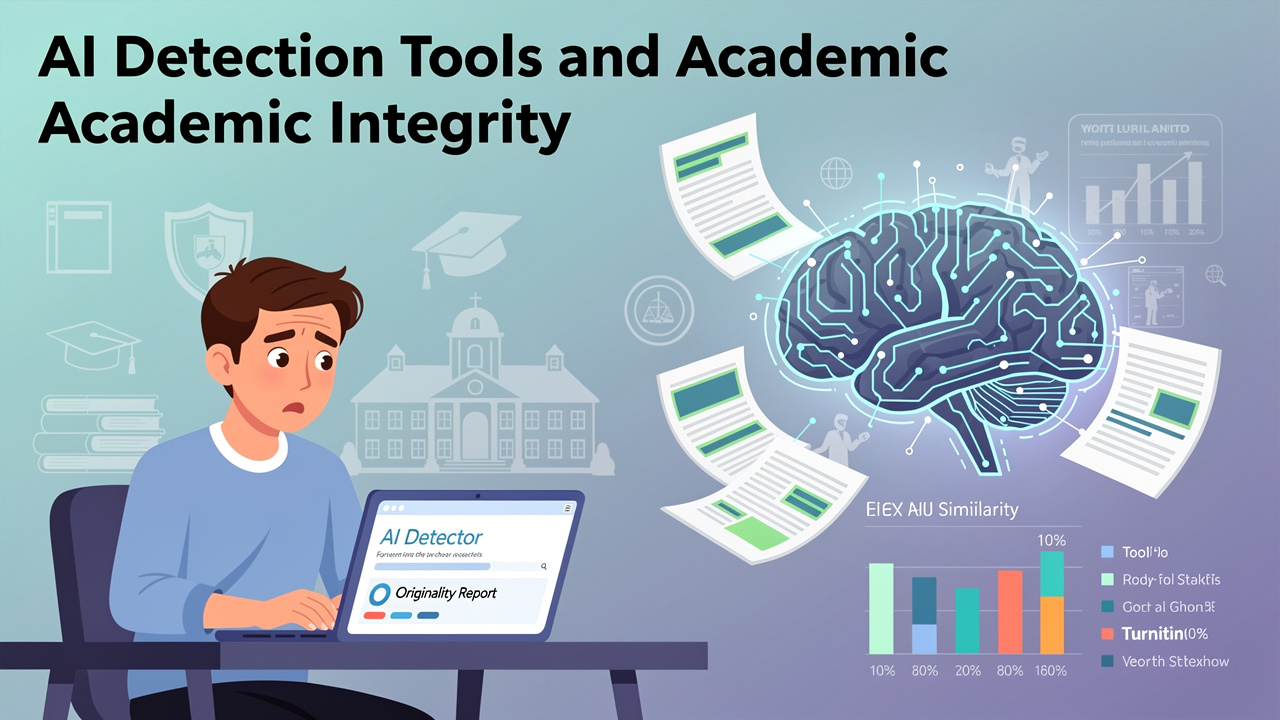
AI writing detection has been one of the most widely discussed features in Copyleaks. With the popularity of ChatGPT and large language models, the need for an AI detector surged. Copyleaks met this demand by developing their own AI detector which scrutinizes the text for certain writing patterns, sentence structures, and probabilities.
Honestly, the feature isn't perfect (what AI detector truly is?), yet in many third-party reviews, Copyleaks has ranked as some of the most accurate.
Source Code Plagiarism Detection
And one of the most surprising (and most useful, in my opinion): they can actually scan source code for duplication and plagiarism. The system supports more than 30 programming languages, from Python to Java, from C++ to JavaScript. The benefit for computer science teachers and software engineers is huge, no other system offers that.
Similarity Reports and Detailed Analysis
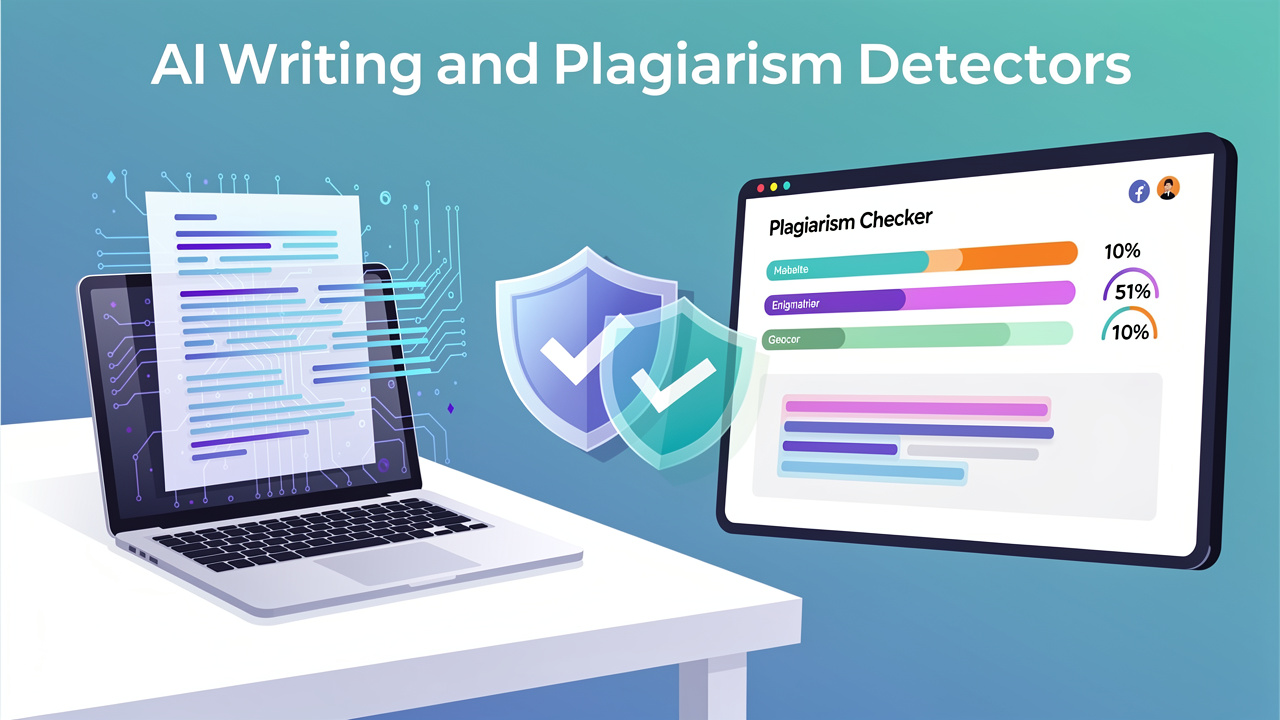
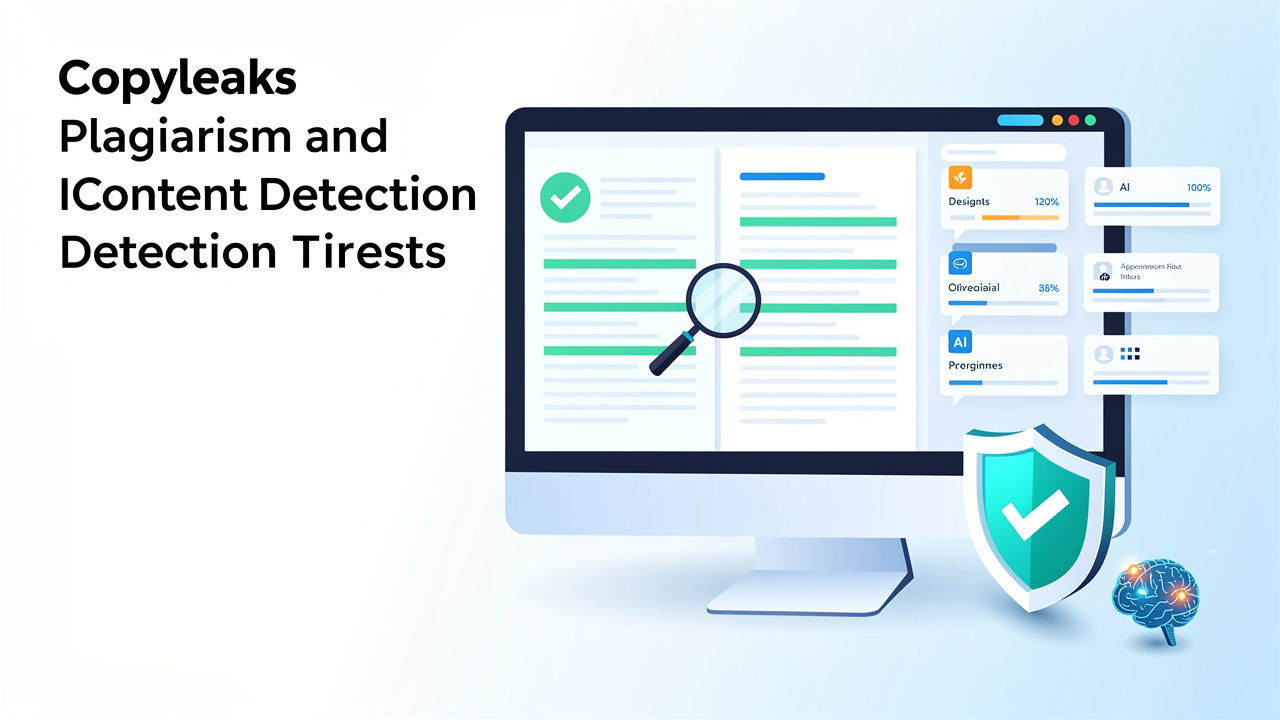
When a scan completes, Copyleaks generates a color-coded similarity report that breaks down:
- Identical matches — word-for-word copied content
- Minor changes — slightly altered text that still constitutes plagiarism
- Paraphrased content — restructured sentences with the same meaning
- Omitted words — text with strategic deletions to evade detection
- AI-generated sections — passages flagged as machine-written
All highlighted areas lead directly to the original source, enabling the user to consider the context rather than blindly accepting the percentage score.
Multi-Format Support
Copyleaks accepts just about all document types – PDF, Word, Google Docs, HTML, and just plain text. It also offers direct integration with LMSs, including Canvas, Moodle, and Blackboard, so for the educational institutions the submission and scan are just a matter of few clicks.
User Interface: Genuinely Easy to Use
The dashboard is very clean. Users can drag & drop a document to the tool and get a report in seconds. The users do not need to go through any documentation or additional tutorial videos.
The information is displayed without any heavy technical words. That said, enterprise users have the ability to dig into the more detailed settings—more nuanced sensitivity thresholds, whitelists, custom repositories etc—and this adds a layer of depth to the overall experience that does not overshadow the simplicity enjoyed by more casual users. That's a well-thought-out design.
Integration Options
Copyleaks has powerful API accessibility, which allows developers to implement a tool that searches for plagiarism straight into their own platform. Many publishers, EdTech firms and content managing systems have been able to develop with the help of the API. What is a little less obvious is the integrations with other systems.
For instance, if a university has a Blackboard LMS, they can set up Copyleaks so that all new assignments are automatically checked for plagiarism when submitted. No manual uploading necessary! Students get reports, teachers get updates, and the system takes care of itself.
Real-World Applications: Case Studies and Examples
Higher Education: Keeping Academic Integrity Intact
The University of California system - like many other large institutions - has, according to the vendor, a similar process in place for detecting AI-assisted plagiarism. Instructors create assignment folders, and each time a student submits a file it is checked and compared with others. When a suspicious result is found, the instructor will see an excerpt of the potential problem instead of having to read the whole file.
An especially interesting case is paraphrasing plagiarism. When a student rewrites a paragraph of a published paper, changing enough words to avoid detection by more trivial tools, then the semantic analysis of Copyleaks can pick this up by examining meaning, rather than just words. A technical distinction that makes a difference in practice.
Publishing and Media: Protecting Original Work
Contending with the "copy and paste" curse is a daily reality for digital publishers. The copying and republishing of blog posts, news reports, or long form articles without attribution is a nearly daily occurrence. Quite a few medium to large scale digital media companies have integrated the Copyleaks API into their CMS to automatically filter new content submitted by freelance writers before publishing.
One agency also discovered a freelancer who had been submitting the same article (with some minor modifications) to several clients at once. They had used the Copyleaks scanner on their own, accumulated document base—an unexpectedly valuable function!
Corporate Training and Compliance
Certain companies employ Copyleaks to ensure that training content, policy documents, and regulatory material is original and not accidentally plagiarized from other industry sources. Legal departments especially value this tangible evidence of their content being screened prior to being published.
Copyleaks vs. Competing Plagiarism Detection Tools
| Feature | Copyleaks | Turnitin | Grammarly | PlagScan |
|---|---|---|---|---|
| AI Content Detection | ✅ Yes | ✅ Yes | ❌ Limited | ❌ No |
| Source Code Scanning | ✅ Yes | ❌ No | ❌ No | ❌ No |
| Languages Supported | 100+ | ~30 | English-focused | ~60 |
| API Access | ✅ Yes | Limited | ❌ No | ✅ Yes |
| LMS Integration | ✅ Yes | ✅ Yes | ❌ No | ✅ Yes |
| Free Tier Available | ✅ Yes | ❌ No | ✅ Limited | ✅ Limited |
Turnitin is still the dominant force in the academic world, mostly due to their well-established institutional ties and their huge database of academic papers. However Copyleaks comes very close behind, and even beats Turnitin in some respects, including multi-lingual capabilities and source code detection. However, the entry point for the plagiarism checking is one that is very user friendly.
However, this is a superficial tool, and is more of a value add or side feature than a real deterrent to the plagiariser.
Why Originality in Digital Content Actually Matters
In addition to legal and educational issues, originality also impacts ontrust. A reader who finds out that a company's blog content is scraped from other sources might stop trusting that brand almost immediately. Search engines move duplicate material way down in the rankings.
And in professional fields like academic publishing, journalism, and legal documentation, plagiarism could terminate a person's career. The proliferation of AI-generated content adds yet another wrinkle. There are some consumers who are okay with writing that is partly AI-generated; there are others who are not.
Regardless of your stance on that issue,transparency is key. Being aware of the content that you publish—if it can be verified—is always a best practice.
Pricing Structure
Copyleaks has a free plan with a finite number of scans each month, and it is actually pretty useful for occasional users or try-out people. Paid plans increase according to the number of pages and begin at low prices for single users. A big institution will receive a tailored quote according to the number of API calls.
Final Thoughts
Copyleaks has become a true feature-rich, comprehensive offering supporting teachers, organizations, and individual writers. Offering support across multiple languages, AI detection capabilities, source code scanning, and an unfussy API the system is one of the more complete around. It's not the cheapest, but for any organization for whom this really matters, it is worth the extra dollars.
Originality is not only an ethical issue. It is also a competitive advantage. And there's sound business logic in having the right tools to protect and corroborate it.