Understanding how to get AI content cited by ChatGPT and Perplexity is rapidly emerging as one of the most valuable types of online exposure for content creators and marketers. In the past, SEO was primarily about featuring in the blue links on Google; but the game has changed. Search engines driven by AI and chat-based portals are increasingly sourcing answers from credible, well-formatted sources, and if you haven't optimized your content to be found and cited, you're vanishing to an increasing slice of web users.
Here is a simple explanation of: the specific process to have AI produced content cited by ChatGPT and Perplexity, the importance of it, and what you can do right now.
Why Getting Cited by AI Tools Actually Matters
Here's the kicker: Perplexity references all its sources on each answer. Users are able to immediately see where the information originated from, and follow the referenced links. ChatGPT—especially ChatGPT with browsing enabled—similarly references genuine web pages and credits the sources as it composes its replies. Being referenced in those replies is an indicator of quality traffic directly.
Other advantages include credibility. If an AI model cites your work as a source, it conveys to users that your work is credible and reliable. Such third-party endorsement is truly difficult to replicate manually.
And purely from an SEO perspective there is a lot of synergy here in AI citation and higher ranking Google. Optimizing for AI citation directly supports your overall authority-building strategy.
What Makes AI Tools Choose to Cite Content
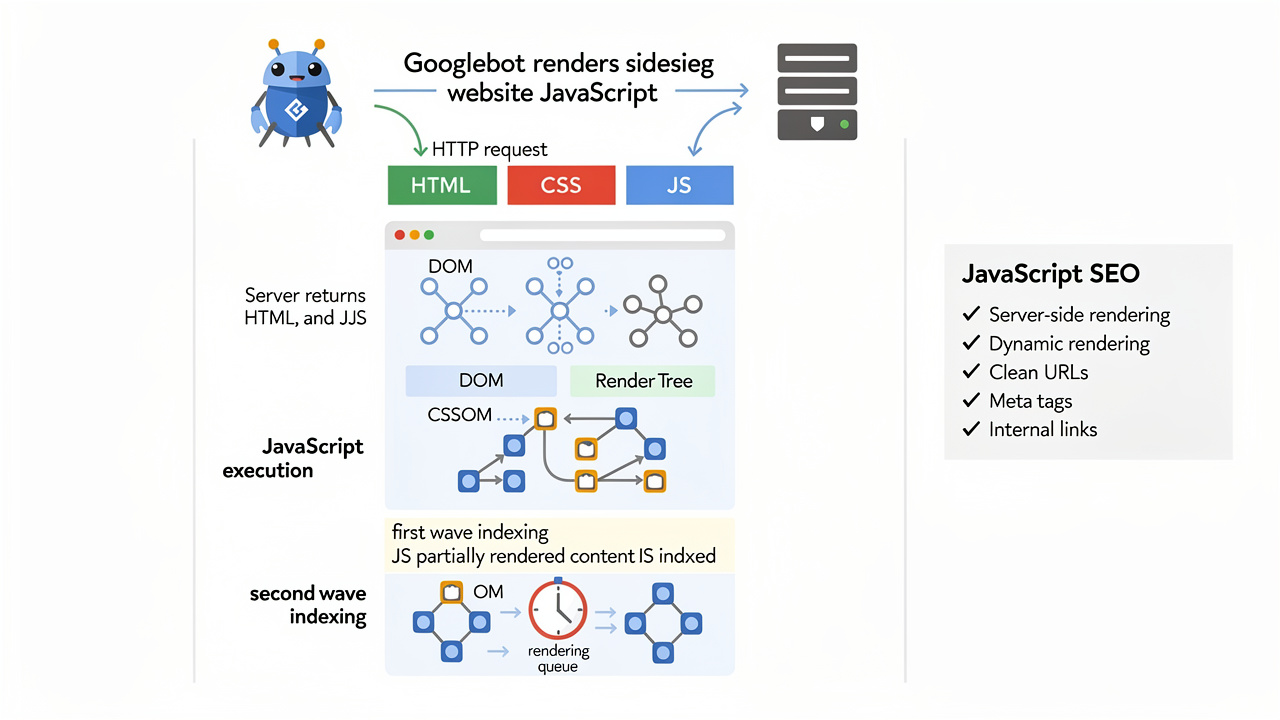
Both ChatGPT (with browsing) and Perplexity leverage crawling, relevance ranking and quality signals to determine which sources to use. They have the following preference for:
- Clear, factual, well-structured content that directly answers specific questions
- Pages with strong topical authority — sites that consistently publish in-depth content on a defined subject
- Content with proper schema markup that helps crawlers understand context
- Pages that load fast and are mobile-friendly (yes, technical SEO still counts)
- Recently updated content — AI tools generally prefer fresh information over stale posts
In principle, if your content would rank well in conventional search, it will likely already be in a position to be cited. However, there are certain AI citation techniques that accelerate the process.
How to Get AI Content Cited: Practical Steps
1. Structure Content Around Direct, Specific Questions
Specifically, perplexity is designed to respond to queries. Therefore, compose copy that reflects the way users typically seek out information on these platforms. Rather than creating a generic discussion of the subject, develop articles around specific questions—and provide direct, up-front, succinct responses.
Incorporate H2 and H3 headers that are questions or are worded exactly as someone might enter into an AI search box. E.g., How do you format citations in APA style? is citation-friendly while Citation Formatting Tips is not.
2. Use Proper Citation Formatting Within Your Own Content
It may sound circular, but such AI might also more likely cite sources that show citation literacy themselves. For anything you reference—public stats, papers, claims from elsewhere—style the citations to make this very transparent. In-text mentions and references are clear indicators of legitimacy.
For web content, this looks like:
- Linking directly to primary sources (not just other blogs)
- Using anchor text that describes the source: "According to a 2023 Stanford study on AI language models..."
- Including a sources or references section at the bottom of long-form articles
3. Publish on Platforms That AI Tools Already Index
All content isn't crawled equally. Perplexity relies heavily on crawled pages and ChatGPT browsing mode favors pages already present in existing search indexes. While posting on your own domain is best for long-term, syndicating content to Medium, LinkedIn Articles or Substack also improves chances of being discovered, particularly for newer sites that haven't built up much domain authority.
4. Optimize Your Structured Data
Schema markup is an explicit indicator to crawlers what your content is and who is behind it. For articles use Articles or NewsArticles schema. For FAQ-like content, FAQPage schema really packs a punch - it formats your Q & A to be easily parsed and referenced by AI tools with minimal effort.
In WordPress then a lot of this is handled by plugins such as Rank Math or Yoast. If you are on a custom stack then you'll want to do the JSON-LD yourself.
5. Build Topical Clusters, Not Isolated Posts
Nothing alone is not normally getting cited. What performs best is, however, cluster of content around a given topic: pillar page supported by supporting articles with internal links. This tells the Artificial Intelligence-based crawlers that you're a real authority on that topic.
Common Challenges (And How to Handle Them)
Your content isn't being crawled too often, but it still isn't being indexed fast enough.
Solution: Add your sitemap to Google Search Console and have your new pages re-crawled by requesting URL Inspection. Unfortunately, any crawler that goes by the name PerplexityBot will adhere to the robot directives implemented by your site, so check your robots.txt.
There's a problem: AI tools will cite your competitors rather than you.
This is annoying. However, more often than not it is a lack of content depth--or a lack of specificity. If a competing article directly and fully addresses a question, it will get the link. Audit other pages competing for the top spot and identify a lack of detail: lack of examples, stale figures, ambiguous descriptions. Improve.
problem: Your references are not showing up even your text is ranked high.
Ranking and AI citation don't completely align. The tools favor what is " designed to be copy-and-pasted": short, precise answer paragraphs, at the beginning of the page, followed by more detailed information. If your best content is cluttered in several long paragraphs, divide it.
Issue: Your site could lose out on citations due to damage caused by AI-produced content.
This is subtle. If content is created entirely by AI and not edited by humans or "baked in" with original perspective, this kind of material is likely to be neglected by search engines or AI citation tools. The trick is to use AI as a rough draft and then really layer your own analysis, context, application, examples, expertise etc. on top.
Citation Formatting Examples for Web Content
When referencing external sources in your articles, here are ChatGPT referencing methods that work well for both human readers and AI crawlers:
- Inline attribution: "A 2024 report by Reuters found that Perplexity serves over 10 million queries per day."
- Parenthetical: "AI search tools are growing rapidly (Statista, 2024)."
- Reference list at bottom of article: Formatted cleanly with title, author, publication, date, and URL
Consistency is key. Choose a format and stick with it for your entire site.
AI Citation Techniques: Actionable SEO Tips
- Update existing high-traffic pages with cleaner structure and direct answer paragraphs
- Add a "Quick Answer" or "TL;DR" section at the top of long articles — these get cited frequently
- Monitor Perplexity manually by searching your core topics and seeing what gets cited
- Use tools like Ahrefs or SEMrush to identify which of your pages already receive structured snippet features — those are strong candidates for AI citation
- Build backlinks from sites that AI tools already trust and cite regularly
Conclusion
There's no black box trick to have your AI content mentioned by ChatGPT and Perplexity. It's all the fundamentals that has always made a good content strategy: Well written, authentic, intelligent architecture and regular publishing. The only thing changed is that now your audience is AI systems constantly crawling your content to assess its worthiness.
Begin with one article. Reformat it with straightforward responses, include schema, reference real sources, refresh it with new data. Afterward, observe if Perplexity begins to utilize that content.
Minor, incremental enhancements escalate rapidly—especially in an age where the first thing countless individuals read will be AI-produced results, having that content back those results is truly a worthwhile endeavor.